How to Integrate Cultural Heritage into Drama Lessons
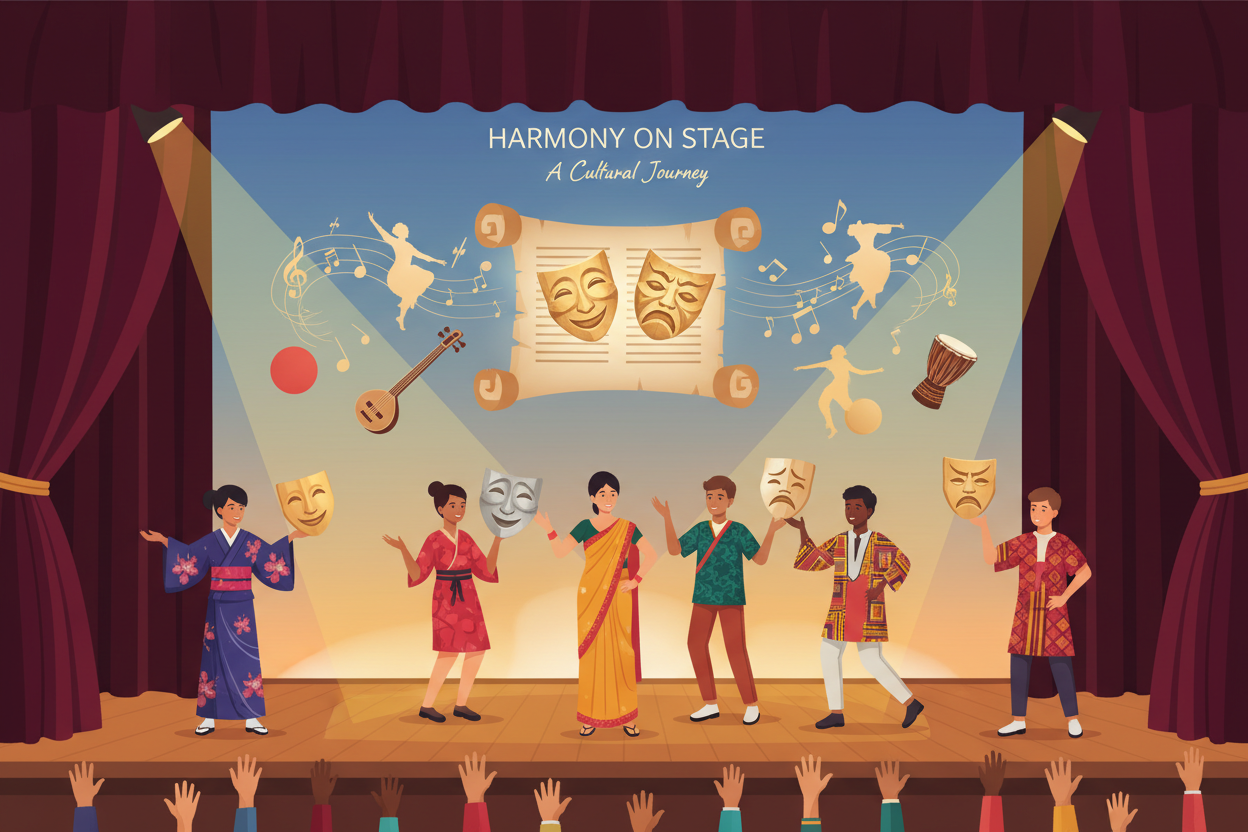
How to Integrate Cultural Heritage into Drama Lessons: Bringing History to Life Through Performance
Drama education has always been about more than just memorizing lines and hitting marks on stage. At its core, it's about understanding the human experience, exploring emotions, and connecting with stories that resonate across time and cultures. When we integrate cultural heritage into drama lessons, we're not just teaching performance skills – we're opening windows into the rich tapestry of human history and helping students develop a deeper appreciation for diversity and tradition.
As educators, we have the unique opportunity to transform our drama classrooms into time machines, transporting students to different eras, cultures, and perspectives. This approach doesn't just make lessons more engaging; it creates meaningful learning experiences that students carry with them long after the final curtain call.
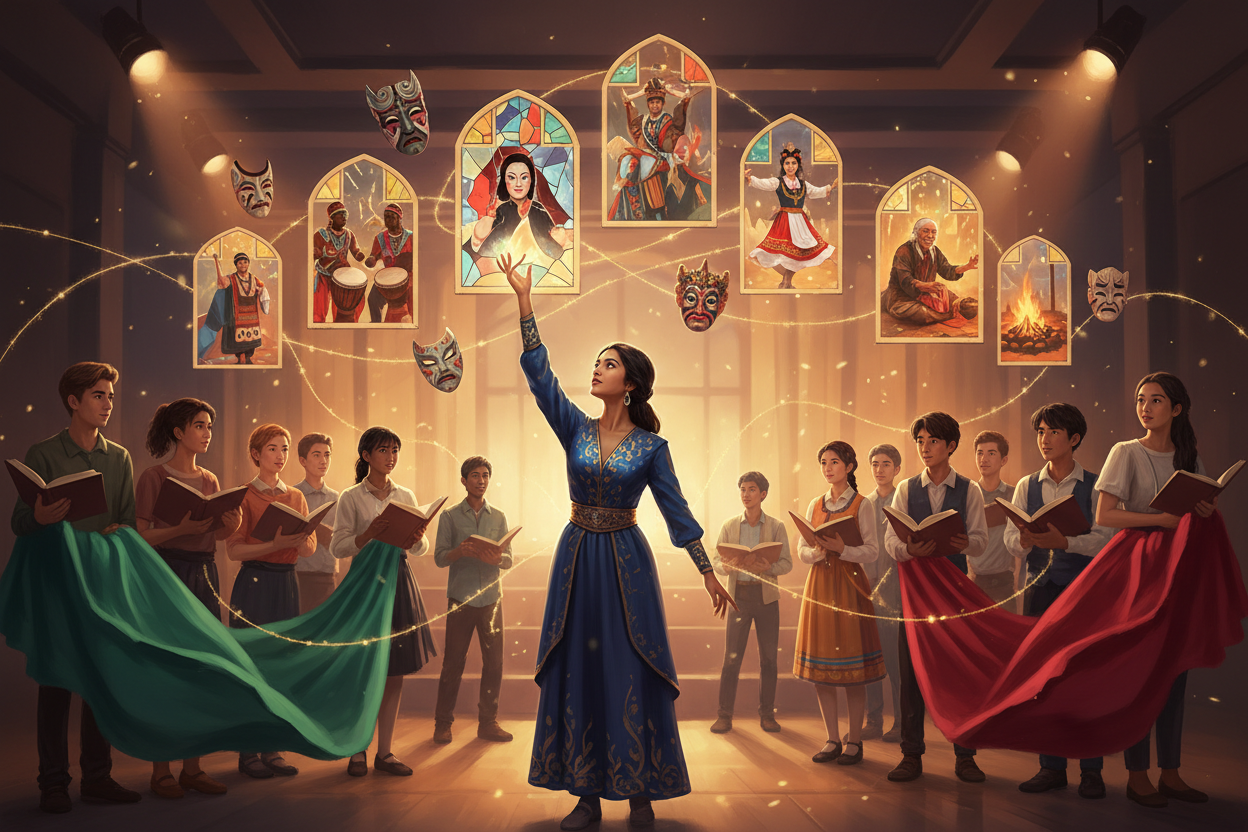
Understanding the Value of Cultural Heritage in Drama Education
Before diving into practical strategies, it's essential to understand why cultural heritage integration matters so much in drama education. When students explore different cultural traditions through performance, they develop empathy, cultural awareness, and a broader worldview that extends far beyond the classroom walls.
Cultural heritage in drama isn't just about putting on costumes from different countries or performing folk dances. It's about understanding the stories, values, struggles, and triumphs that have shaped communities throughout history. Through drama, students can walk in the shoes of people from different backgrounds, experiencing their joys, challenges, and perspectives firsthand.
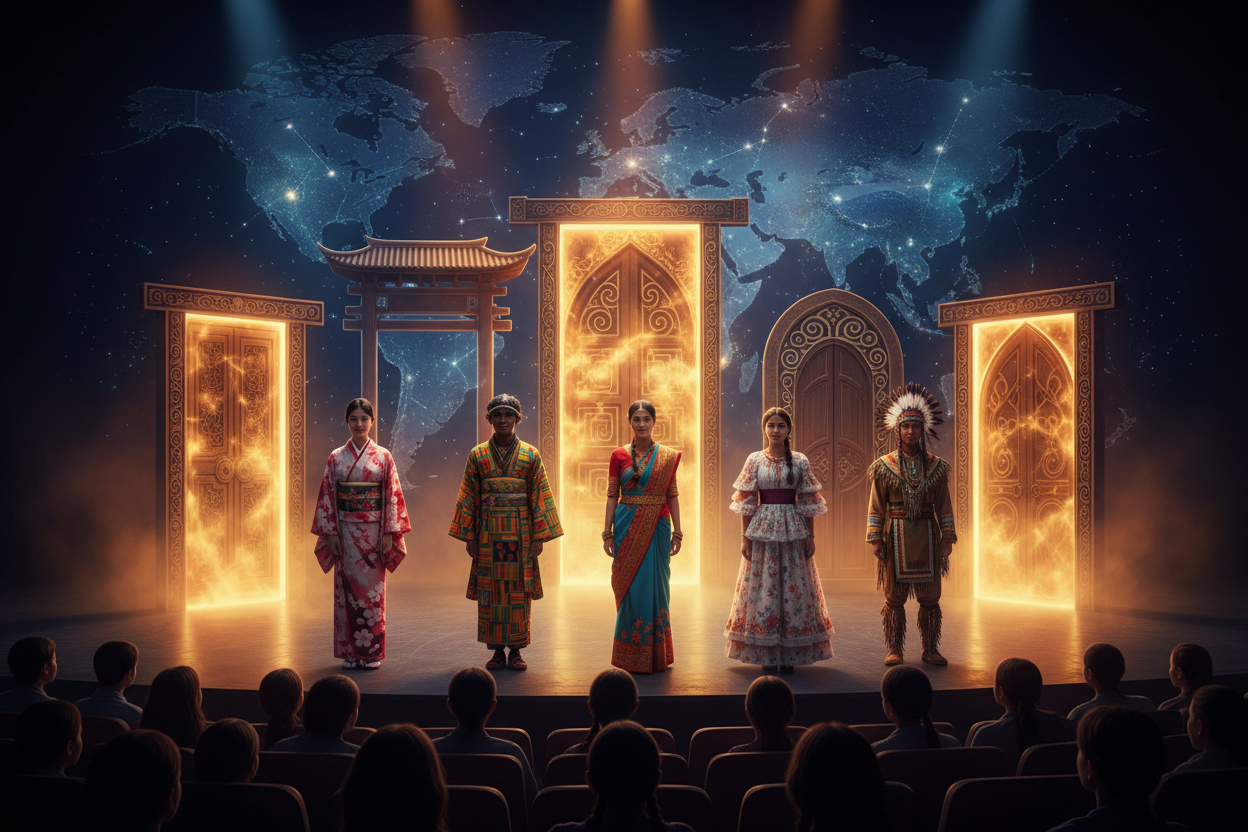
This immersive approach to learning helps break down stereotypes and prejudices while building bridges between different communities. When a student performs a scene from a traditional Japanese Noh play or explores the oral storytelling traditions of West Africa, they're not just learning about these cultures – they're experiencing them in a visceral, memorable way.
Research and Preparation: Building Your Cultural Foundation
The key to successful cultural heritage integration lies in thorough research and respectful preparation. As drama educators, we must approach different cultures with genuine curiosity and respect, avoiding superficial representations that might inadvertently perpetuate stereotypes.
Start by identifying the cultural backgrounds represented in your classroom and community. This gives you a natural starting point for exploration while ensuring that your students see their own heritage reflected and valued in the curriculum. From there, you can gradually expand to include cultures from around the world.
Collaborate with cultural organizations, community elders, and heritage groups in your area. These partnerships can provide authentic insights, resources, and even guest speakers who can share firsthand knowledge about their traditions. Many communities have cultural centers, museums, or heritage societies that are eager to work with educators.
When researching specific cultural traditions, pay attention to the context behind the stories, rituals, and performance styles. Understanding the historical and social circumstances that gave rise to certain dramatic forms helps students appreciate the deeper significance of what they're learning.
Practical Strategies for Classroom Integration
Once you've laid the groundwork with solid research, it's time to bring cultural heritage into your drama lessons through practical, engaging activities. The key is to create authentic experiences that honor the source material while making it accessible to your students.
Begin with storytelling exercises that draw from different cultural traditions. Oral storytelling is universal, yet each culture has developed unique techniques, themes, and styles. Have students explore creation myths from various cultures, comparing how different societies explain the origins of the world. This exercise naturally leads to discussions about values, beliefs, and worldviews.
Movement and physical theater offer another excellent entry point for cultural integration. Different cultures have developed distinct approaches to using the body in performance. Students can explore the precise, controlled movements of traditional Chinese opera, the expressive gestures of Indian classical dance, or the rhythmic patterns found in African performance traditions.
Character development exercises become richer when students explore archetypes and character types from different cultural traditions. The wise elder, the trickster, the hero's journey – these universal themes manifest differently across cultures, providing students with a broader palette of character possibilities.
Exploring Traditional Performance Forms
Introducing students to traditional performance forms from around the world opens up entirely new ways of thinking about theater and storytelling. Each tradition offers unique techniques, aesthetic principles, and approaches to engaging audiences.
Consider exploring the stylized movements and mask work of traditional Indonesian Wayang theater, where puppeteers bring shadow figures to life while providing voices and music. Students can create their own shadow puppet performances, learning about the epic stories and moral lessons that have been passed down through generations.
The call-and-response traditions found in many African cultures provide excellent opportunities for ensemble work and community building. These interactive performance styles break down the traditional barrier between performer and audience, creating shared experiences that emphasize collective participation over individual stardom.
Greek theater traditions offer students the chance to explore the origins of Western drama while learning about the civic and religious functions that theater served in ancient society. The use of chorus, masks, and formal verse structures provides valuable lessons in ensemble work and disciplined performance techniques.
Incorporating Music, Dance, and Ritual
Cultural heritage integration becomes even more powerful when drama lessons incorporate the music, dance, and ritual elements that are often inseparable from traditional performance forms. These elements add layers of authenticity and help students understand that theater in many cultures is part of a larger cultural ecosystem.
Work with music teachers to introduce traditional instruments and musical styles that accompany different dramatic forms. The haunting melodies of Celtic ballads, the intricate rhythms of West African drumming, or the delicate sounds of Asian string instruments can transform the atmosphere of your drama classroom and provide students with a more complete cultural experience.
Dance and movement patterns from different cultures offer students new ways to express emotions and tell stories. The flowing movements of Middle Eastern dance, the precise footwork of Irish step dancing, or the athletic leaps of traditional Russian folk dance all provide different vocabularies for physical expression.
When appropriate and handled with sensitivity, exploring ritual elements can help students understand how performance has served spiritual and community functions throughout history. This might include seasonal celebrations, coming-of-age ceremonies, or community gathering traditions that use dramatic elements to mark important occasions.
Creating Original Works Inspired by Cultural Traditions
While studying existing cultural traditions is valuable, encouraging students to create original works inspired by these traditions takes the learning to another level. This approach allows students to demonstrate their understanding while developing their own creative voices.
Challenge students to adapt traditional stories for contemporary audiences, exploring how ancient themes and conflicts remain relevant today. A creation myth might become a piece about environmental stewardship, or a traditional hero's journey might address modern challenges like social media, peer pressure, or family expectations.
Collaborative creation projects work particularly well for cultural heritage integration. Students can work in groups to research different aspects of a culture – its history, values, art forms, and contemporary challenges – then combine their findings into original dramatic pieces that honor the tradition while speaking to current audiences.
Encourage students to interview family members or community elders about their own cultural heritage, then create performance pieces based on these personal stories. This approach helps students see the connections between historical traditions and their own lived experiences.
Building Cultural Sensitivity and Awareness
Throughout this process, it's crucial to maintain a focus on cultural sensitivity and respect. Students need to understand the difference between appreciation and appropriation, learning to engage with other cultures thoughtfully and respectfully.
Establish clear guidelines about respectful representation, emphasizing the importance of understanding context and avoiding stereotypes. Discuss the concept of cultural ownership and help students understand when certain traditions might be considered sacred or inappropriate for outsiders to perform.
Encourage critical thinking about representation by having students examine how different cultures have been portrayed in mainstream media and theater. This analysis helps them develop more nuanced, respectful approaches to their own work.
Create opportunities for reflection and discussion throughout the process. Regular check-ins allow students to process what they're learning and address any questions or concerns that arise. These conversations often lead to deeper understanding and more meaningful connections.
Assessment and Reflection Strategies
Assessing cultural heritage integration in drama requires approaches that go beyond traditional performance evaluation. Students should be evaluated not just on their acting skills, but on their cultural understanding, research quality, and respectful representation.
Portfolio assessments work well for this type of integrated learning. Students can compile research notes, reflection essays, character development work, and documentation of their creative process. This approach allows you to see their learning journey and evaluate their growing cultural awareness.
Peer feedback sessions provide valuable opportunities for students to learn from each other while developing critical thinking skills. Structure these sessions to focus on cultural accuracy, respectful representation, and effective communication of cultural themes.
Self-reflection essays help students process their learning and identify how their perspectives have evolved through the experience. Prompt them to consider what they've learned about other cultures, about their own heritage, and about the universal themes that connect all human experiences.
Conclusion: The Lasting Impact of Cultural Heritage Integration
Integrating cultural heritage into drama lessons creates ripple effects that extend far beyond the classroom. Students who experience diverse cultural traditions through performance develop empathy, cultural competency, and a deeper appreciation for human diversity. They learn that while cultures may express themselves differently, the fundamental human experiences of love, loss, hope, and struggle are universal.
This approach to drama education prepares students for our increasingly interconnected world, where cultural competency is not just valuable but essential. Through performance, they develop the ability to step into different perspectives, communicate across cultural boundaries, and appreciate the rich diversity of human expression.
As educators, we have the privilege and responsibility to open these cultural doors for our students. By bringing cultural heritage into our drama classrooms, we're not just teaching performance skills – we're nurturing global citizens who understand that every culture has valuable stories to tell and wisdom to share. The stage becomes a meeting ground where past and present, tradition and innovation, self and other come together in powerful, transformative ways.
The journey of integrating cultural heritage into drama education requires ongoing commitment, continuous learning, and deep respect for the traditions we explore. But the rewards – seeing students develop empathy, cultural awareness, and a genuine appreciation for human diversity – make every effort worthwhile. In our drama classrooms, we're not just creating performers; we're cultivating understanding, building bridges, and celebrating the beautiful complexity of human culture.
For more info Click Here